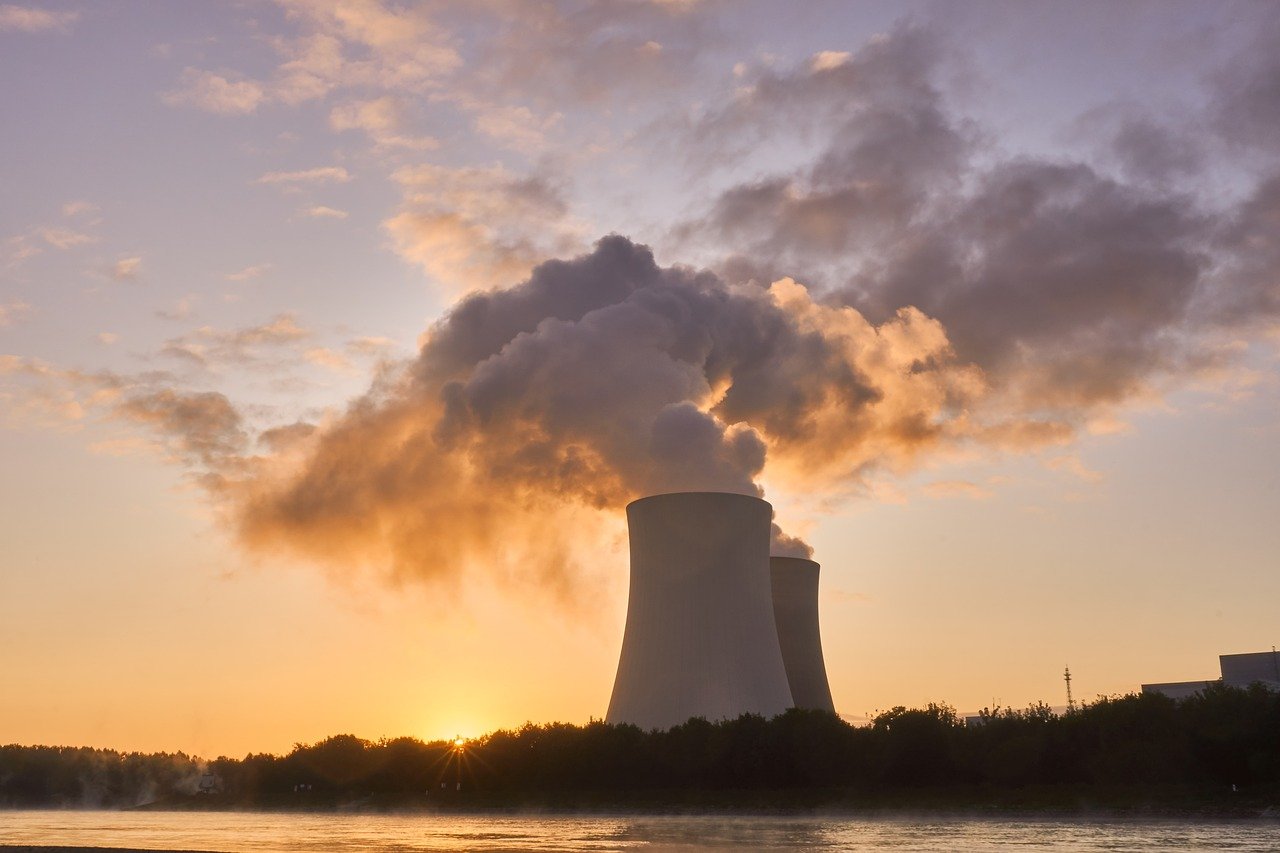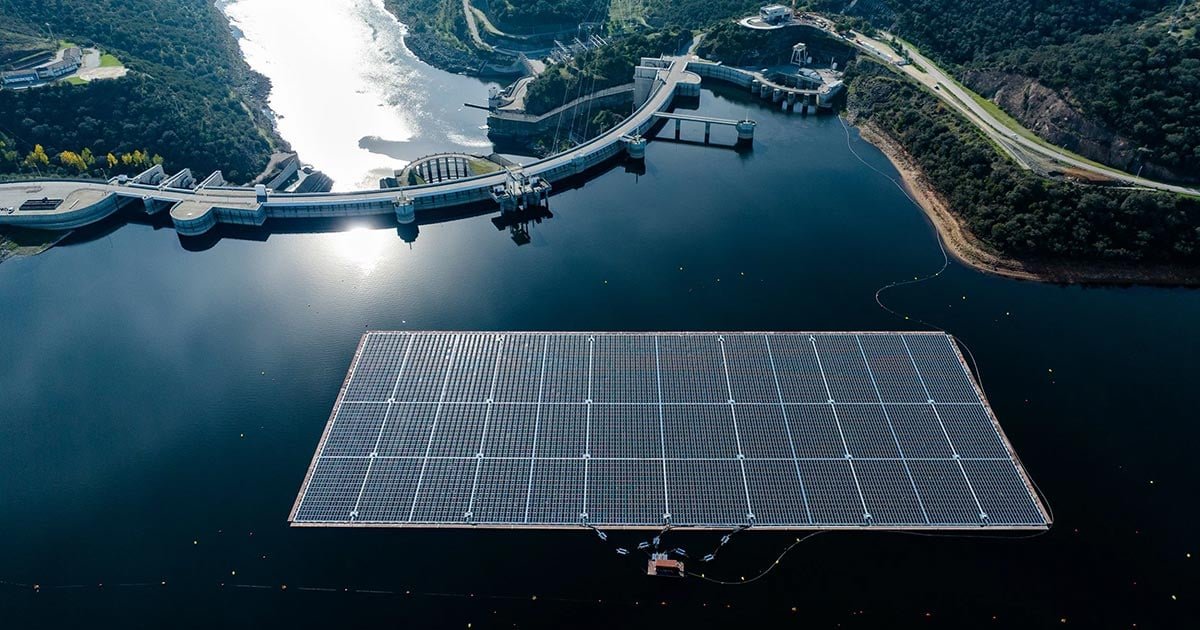
India, Brazil, South Africa, and Indonesia are pivotal in the global energy transition, advocating for substantial reforms in climate action through collaborative platforms such as the G20, IBSA, and BRICS+. These countries, representing about 25% of the global population and 12% of total emissions, face overlapping challenges in their pursuit of sustainable energy solutions.
This report identifies key barriers including outdated fossil fuel infrastructure, insufficient financial commitments, and dependency on concentrated supply chains. By working together, these nations can enhance their negotiating power, improve their capacity to manage climate finance, standardize climate finance frameworks, and develop comprehensive strategies for phasing out fossil fuels.
**Introduction** The IBSA initiative, founded in 2003, has been instrumental in fostering cooperation among India, Brazil, and South Africa, allowing these democratic developing economies to share knowledge and collaborate on development goals. With Indonesia joining BRICS+ in 2025, the four countries have a new platform to advance their shared energy transition objectives, building on their G20 leadership.
As electricity demand in these countries is projected to grow by 38% to 55% by 2035, transitioning from fossil fuels while ensuring universal energy access poses a significant challenge. Each country’s unique energy profile influences its transition path. For example, Brazil’s renewable energy sector is strong, accounting for nearly 90% of its electricity, yet the country still heavily relies on fossil fuels for transportation and manufacturing. In contrast, South Africa is primarily coal-dependent, with over 70% of its energy supply coming from coal, complicating its transition away from fossil fuels.
India and Indonesia are gradually increasing their renewable energy capacities but must balance this growth with rising energy needs and decarbonization efforts. Common challenges include political and economic sensitivities, infrastructure deficits, and social equity issues. The financing gap for climate action is profound; developing nations outside of China require an estimated $2.4 trillion annually by 2030 to meet climate and development objectives. Moreover, reliance on foreign supply chains, particularly from China, which dominates clean technology manufacturing, poses risks to energy security.
**Energy Transition Strategies** Section II of the report outlines the practical steps IBSA and Indonesia are taking towards their energy transition goals. Each country is at a different stage in integrating renewable energy and phasing out fossil fuels. The complexities of transitioning away from coal and oil involve sensitive employment considerations, which are exacerbated by increasing energy demand forecasts. Despite ambitious emissions reduction targets, achieving cohesive government strategies remains difficult, impacting the equitable access to clean energy across diverse populations.
**Climate Finance: Opportunities and Constraints** Section III addresses the dual crises of inadequate climate finance and limited institutional capacity to effectively utilize available funds. The report highlights the need for improved coherence in investment frameworks to encourage both domestic and international participation. IBSA and Indonesia have the potential to align their climate finance strategies, facilitate shared learning experiences, and elevate local projects to attract more investment.
**Conclusion** As global military conflicts escalate and defense spending rises, the fiscal space for climate finance from the Global North shrinks. To meet ambitious clean energy targets, multilateral cooperation is essential. IBSA and Indonesia are positioned to lead efforts in establishing norms that support equitable energy transitions. The estimated financial requirements per nation to achieve net-zero emissions by respective deadlines are substantial: India requires around $10 trillion by 2070, Brazil $6 trillion by 2050, South Africa $450 billion by 2050, and Indonesia $2.4 trillion by 2060. As countries strive to reduce emissions while meeting rising energy demands, aligning their goals and strategies will be crucial in overcoming shared challenges and achieving a sustainable energy future.