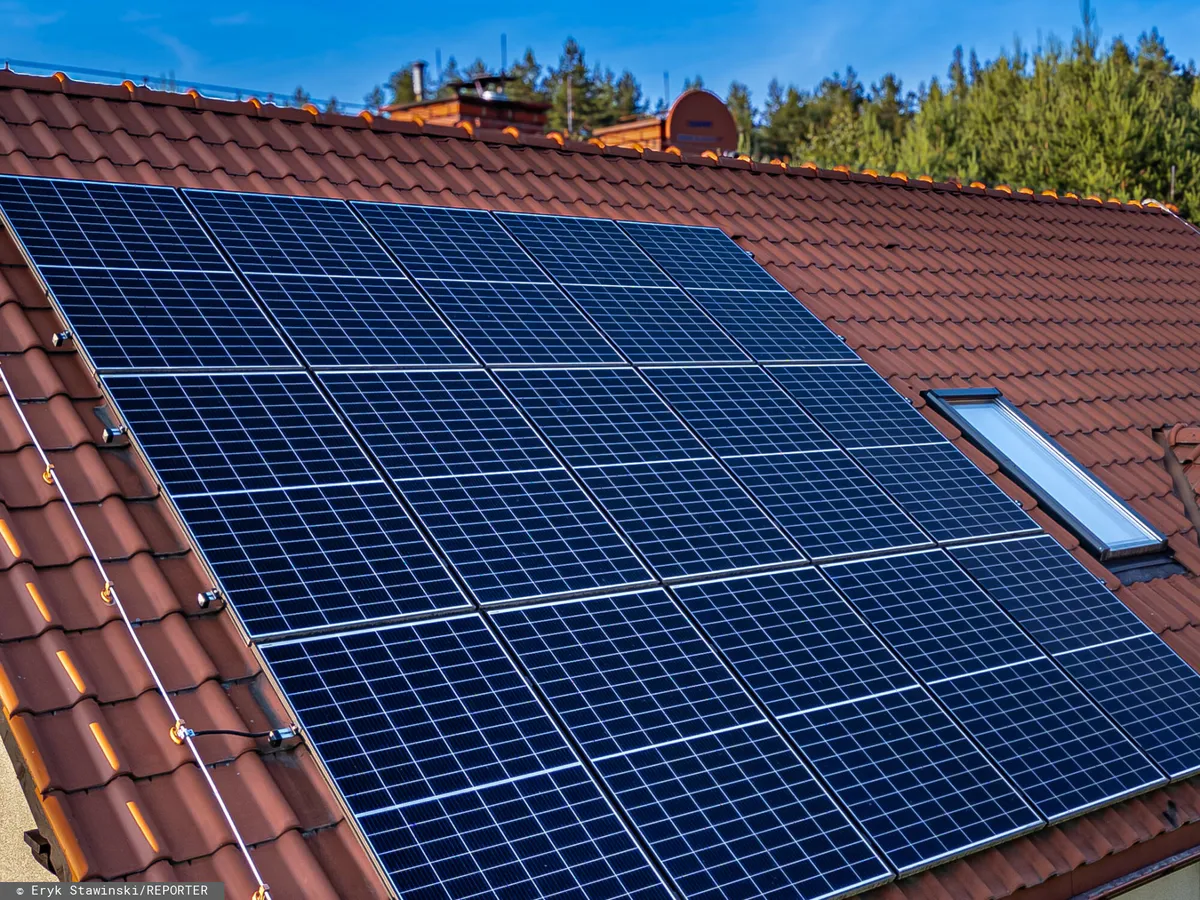
Poland is set to implement new building standards that will require solar energy installations in public and residential buildings, as part of its commitment to meet European Union directives on energy efficiency. The EU’s Energy Performance of Buildings Directive (EPBD) aims to reduce greenhouse gas emissions from buildings, which account for over a third of the EU’s total emissions. The proposed regulations will mandate the integration of photovoltaic (PV) systems, solar collectors, and hybrid systems in newly constructed and significantly renovated buildings.
Under this directive, Poland needs to align its national laws with EU standards, or face potential financial penalties. The new technical conditions (WT) will require solar installations in public buildings, multi-family housing, and commercial structures exceeding 250 square meters. These measures aim to ensure that by December 31, 2026, newly built public-use buildings, such as schools and hotels, will include solar technologies. By December 31, 2029, the regulations will extend to new residential buildings, and by December 31, 2030, existing public and commercial buildings undergoing major renovations must comply with the new standards.
However, the proposed regulations have sparked controversy among stakeholders. One contentious issue is the proposed restrictions on the installation of domestic energy storage systems due to fire safety regulations. The initial draft suggested that energy storage units under 10 kWh could only be installed in non-living spaces equipped with smoke detectors, while larger systems would be restricted to non-residential buildings. Industry representatives argue that these measures could increase costs by 30% to 60%, effectively limiting the feasibility of energy storage installations in homes and small businesses. The Ministry of Development and Technology has indicated that it will review these provisions following stakeholder protests.
Another point of contention involves the use of mineral wool for thermal modernization in buildings, which is more expensive and primarily imported. This has drawn criticism from local polystyrene manufacturers and political figures, who are concerned about the economic implications for domestic production.
Experts emphasize the necessity of solar installations as part of the broader transition to zero-emission buildings. Maria Niewitała-Rej from the Institute of Reforms notes that the new standards will compel the integration of renewable energy sources, providing energy independence for buildings. The regulations suggest that economic justification for solar installations should be based on a payback period of no longer than 15 years, which many investors may find achievable sooner.
The proposed regulations do not mandate the size of solar installations, allowing for flexibility in implementation. This flexibility could range from systems designed to achieve full energy self-sufficiency for a building to smaller setups for specific applications, such as water heating.
The regulations will not apply to all buildings simultaneously. The phased implementation allows for a gradual transition, giving the construction and energy sectors time to adapt. However, there are concerns about the readiness of infrastructure to support the anticipated growth in solar installations. Bartosz Bartosik from the BREMER company highlights the lengthy approval processes for solar installations, which can take 12 to 18 months, while the construction of the buildings themselves often takes only 6 to 10 months. He notes that without improvements to the distribution network and streamlined procedures, the mandatory solar installations may become impractical.
Moreover, Paweł Lachman of PORT PC argues that Poland is not yet fully prepared for the mandatory implementation of solar systems across all new and renovated buildings. He stresses the importance of clear guidelines and improved access to the grid, along with support for energy storage systems, in order to foster a conducive environment for solar energy adoption.
The proposed regulations are seen as an opportunity to stimulate the solar market, but experts warn that without addressing systemic issues in the energy infrastructure and regulatory environment, Poland’s ambitious goals may face significant hurdles. As the country seeks to balance compliance with EU directives and the needs of its energy sector, the coming years will be crucial for shaping the future of renewable energy in Poland.