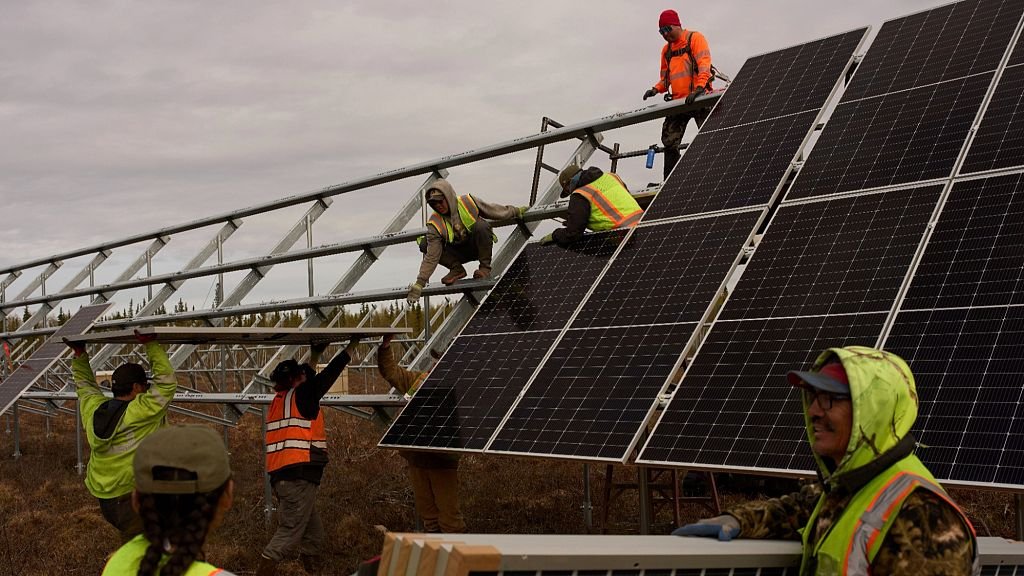
A recent study highlights a significant shift in the energy sector: more than 90% of new renewable energy capacity is now cheaper than fossil fuels. This conclusion comes from two reports released by the United Nations, indicating that solar and wind energy have become the most cost-effective and rapid solutions for new energy generation.
In 2024, global renewable energy capacity additions reached 582 gigawatts, marking a nearly 20% increase from 2023. This figure is the largest annual growth since records began. Almost all new power capacity installed globally stemmed from renewable sources, with every continent adding more renewable capacity than fossil fuels last year. Wind and solar energy contributed to nearly 75% of the increase in worldwide electricity generation, as reported in the UN’s multiagency report titled 'Seizing the Moment of Opportunity.’ UN Secretary General Antonio Guterres noted that this progress reflects a decade of advancements since the Paris Agreement initiated a shift toward clean energy.
According to additional analysis from the International Renewable Energy Agency (IRENA), over 90% of new renewable projects produced electricity at rates lower than the cheapest fossil fuel alternatives. Guterres emphasized that the world is entering a new energy era, stating, 'Fossil fuels are running out of road, and the sun is rising on a clean energy age.’ In 2023, investments in clean energy totaled around $2 trillion, surpassing fossil fuel investments by $800 billion and representing a 70% increase over the past decade.
IRENA’s data shows that last year, wind, solar, and hydropower emerged as some of the cheapest energy sources. Solar energy has become 41% cheaper than fossil fuels, a notable change from being four times as expensive not long ago. Offshore wind energy is now 53% cheaper, establishing itself as the most affordable new renewable source.
In the past, emissions and economic growth rose together, but many advanced economies have now peaked emissions while continuing to experience growth. In 2023, clean energy sectors contributed 10% to global GDP growth and nearly 33% of growth in Europe.
However, IRENA’s Director-General, Francesco La Camera, warned that this progress faces potential setbacks. Factors such as geopolitical tensions, trade tariffs, and supply chain constraints could hinder growth and lead to increased costs. While renewable energy prices are expected to decline further due to technological advancements and stronger supply chains, geopolitical dynamics, including trade policies and material shortages, especially from China, pose risks that could temporarily inflate prices.
In Europe, structural issues may also lead to sustained higher costs, including delays in project permits and limited grid capacity. Guterres pointed out that fossil fuels continue to receive nearly nine times the subsidies compared to renewables. He cautioned that countries relying on fossil fuels are not safeguarding their economies but rather undermining them.
La Camera emphasized the need for enhanced international cooperation, resilient supply chains, and stable policy frameworks, especially in developing nations, to maintain the momentum of the renewable energy transition. He stated, 'The transition to renewables is irreversible, but its pace and fairness depend on the choices we make today.’