Power purchase agreements (PPAs) are essential for financing the expansion of photovoltaic projects across Europe. Analysts at Wood Mackenzie report that 19 gigawatts of new PPAs were signed in 2024, primarily in Spain and Germany. Germany alone accounted for 3.6 GW, marking a 323% increase from 2023, while Spain saw an increase of 12% with 3.1 GW.
Despite this growth, the viability of PPAs faces challenges due to negative day-ahead electricity prices, often resulting from oversupply from solar and wind energy. In the first half of 2024, Germany experienced negative electricity prices for 389 hours, nearly matching the full-year total of 399 hours recorded in 2023. By the end of 2024, this figure rose to 457 hours. Spain recorded negative prices starting in April 2024, totaling 244 hours for the year.
As a result, negotiating long-term PPAs has become increasingly complex. Max von Hausen, Country Lead for PPA Transactions at Pexapark in Germany, noted that Spanish PV systems produced 7% of their electricity during periods of negative prices, while this figure was 18% in Germany. The uncertainty surrounding negative price hours complicates the structuring of bankable PPAs. Economic volatility has led many suppliers to hesitate in committing to long-term agreements.
The PPA market faced a downturn in 2025, with Spain’s announced PPA capacity dropping to just over 1,000 MW in Q1 and around 500 MW in Q2. In Germany, announced volumes fell to approximately 200 MW in the first half of the year. Across Europe, only 5.6 GW of PPAs were announced in 2025, significantly lower than previous years.
To address these challenges, von Hausen emphasized the need for flexible renewable generation and consumption to mitigate negative pricing. He suggested that effective state guarantees could stabilize the PPA market, citing Spain’s FERGEI system, which provides up to 80% contract value guarantees for both suppliers and buyers. Germany currently lacks a similar national credit guarantee system.
Additionally, von Hausen advocated for the integration of relief programs for industrial electricity prices alongside renewable energy incentives to facilitate the energy transition. Representatives from various sectors highlighted the importance of PPAs in achieving decarbonization and securing a reliable energy supply despite current market hurdles.
Sabrina Ritterbach, Energy & Renewables Global Lead at Bayer AG, stated that the company aims to supply all its German sites with renewable electricity through PPAs by 2029, following successful implementations in Spain. She noted the role of municipal utilities as key partners in developing regionally focused PPAs with local producers.
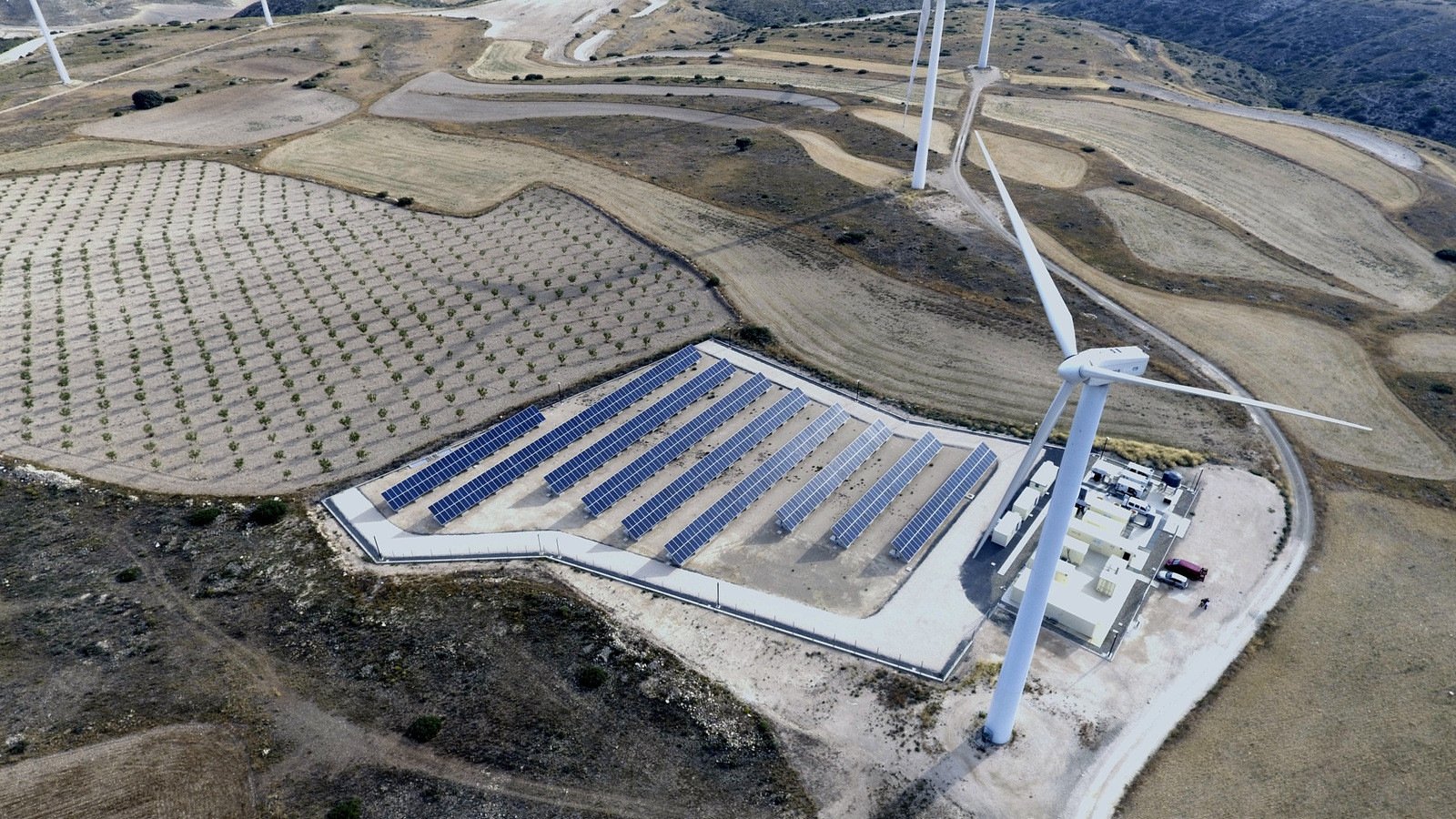
Pedro Vinagre, Executive Director North & Central Europe at EDP, emphasized the significance of hybrid PPA models that combine solar, wind, and battery storage as the future of renewable energy contracts. This approach aims to stabilize supply and reduce costs, making PPAs more attractive amidst fluctuating market conditions.
In summary, while the European PPA market faces challenges due to negative pricing and economic uncertainty, strategies like storage solutions, co-location, and innovative financing models can enhance the resilience of renewable energy agreements.