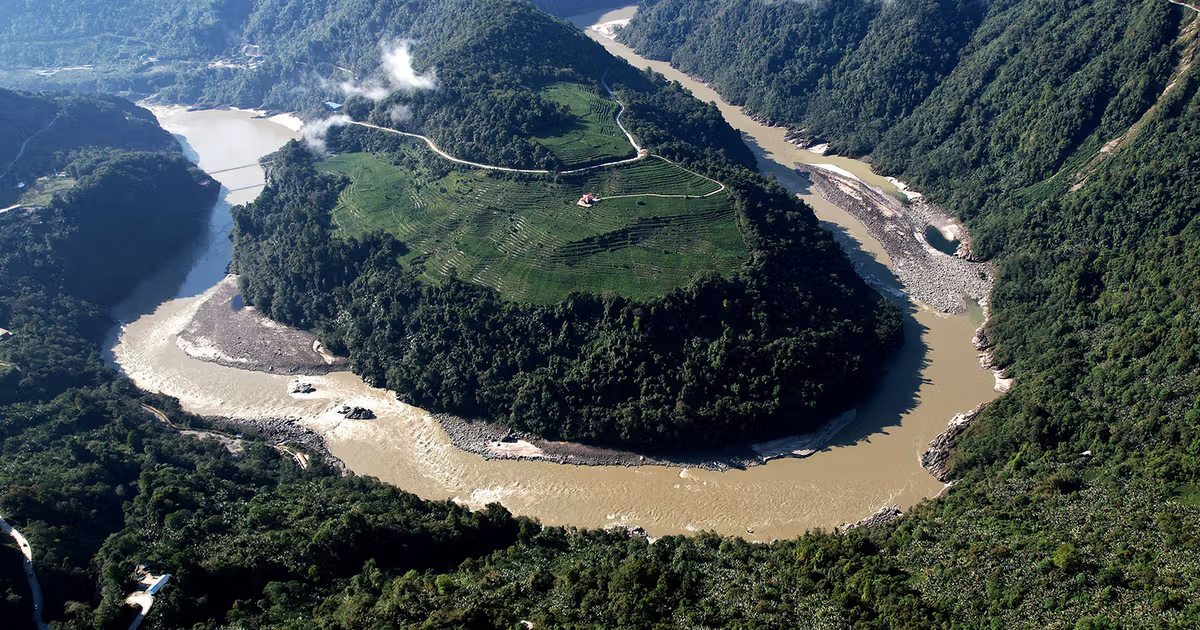
China has initiated a $167 billion hydroelectric dam project on the Yarlung Tsangpo River in Tibet, which may become the largest renewable energy project globally. Chinese engineers estimate that this dam will generate 70 gigawatts of electricity, surpassing Poland’s total power capacity. The project involves constructing five cascade dams near Nyingchi in southeast Tibet, with plans to modify the river’s natural bends and divert water through tunnels, according to Bloomberg.
This massive infrastructure project is expected to stimulate economic growth, particularly benefiting the construction, cement, and steel sectors. Citigroup analysts project that the dam could contribute an additional 0.1 percentage points to China’s GDP, equating to approximately $17.8 billion in its first year of construction. Following the announcement, stocks of the Power Construction Corporation of China and the China Energy Engineering Corporation reached their daily trading limits, while shares of China Energy Engineering surged by 51% in Hong Kong.
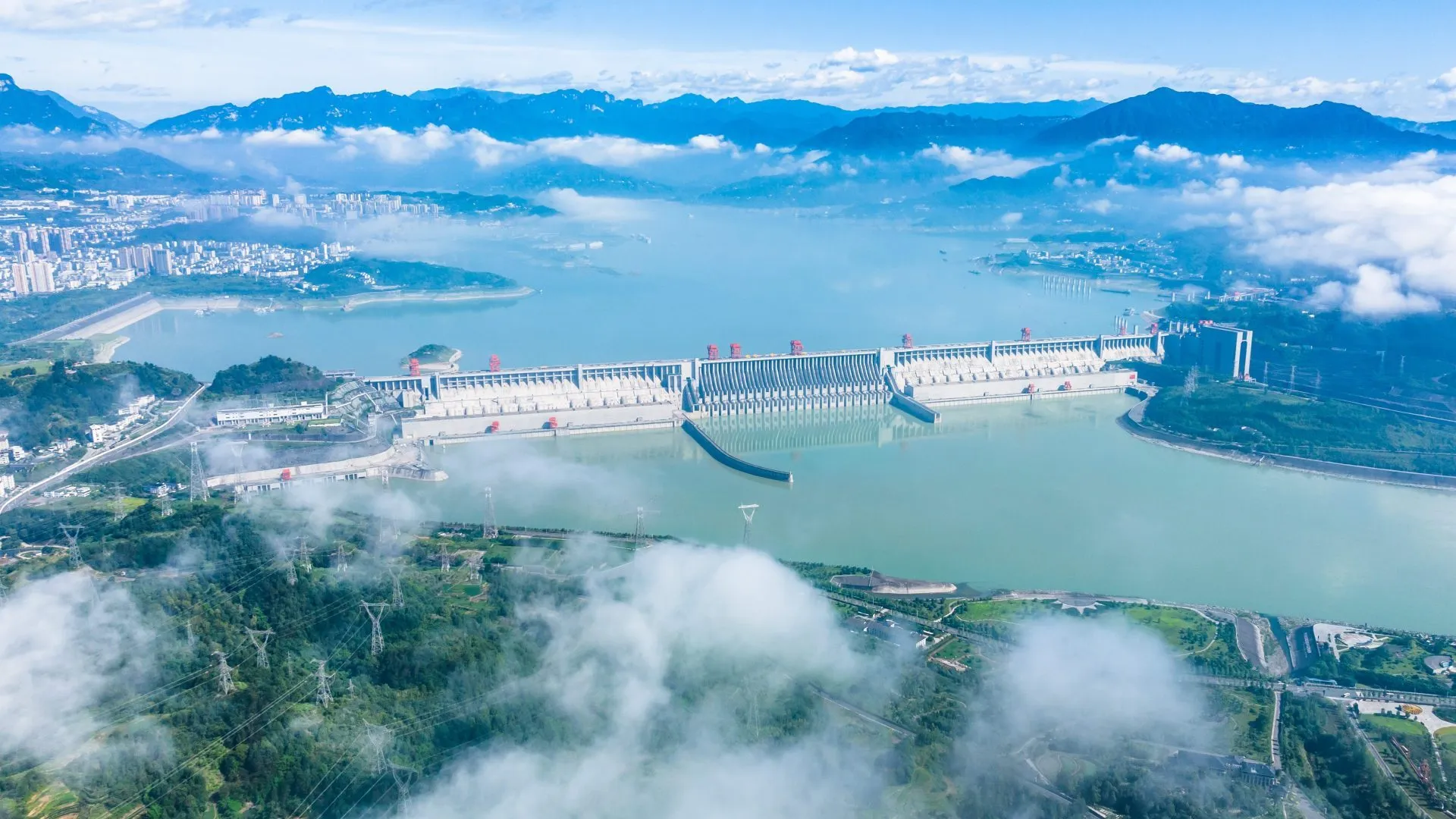
The hydroelectric power generated by the dam aligns with China’s clean energy objectives, assisting the nation in its commitment to achieve net-zero emissions by 2060. China’s previous large-scale project, the Three Gorges Dam completed in 2009, remains the largest hydroelectric facility in terms of installed capacity.
However, the construction of this mega-dam raises concerns for neighboring countries, particularly India and Bangladesh. The Yarlung Tsangpo flows into Arunachal Pradesh, India, which has a population of over 1.4 million. Indian officials have expressed fears that the dam could dry up their rivers or cause flooding depending on China’s management. Arunachal Pradesh Chief Minister Pema Khandu warned that the dam could act as a “water bomb,” with the potential to devastate local communities and infrastructure if water is released suddenly.
The project occurs against a backdrop of heightened tensions between India and China, particularly after a deadly border clash in June 2020. India is actively positioning itself as a viable alternative to China in manufacturing, aiming to counter Beijing’s influence in Asia.
Environmental organizations have raised alarms about the dam’s impact on biodiversity. The Yarlung Tsangpo gorge, where the river descends 6,500 feet over 31 miles, is recognized as a biodiversity hotspot, home to over 4,500 plant species. The dam’s construction also poses seismic risks, as it is situated near two tectonic plates, just 300 miles from the site of the strongest recorded earthquake in 1950. Concerns include disruption of sediment flows and increased coastal erosion, which could make the river’s delta more susceptible to sea-level rise.
Despite these environmental risks, Beijing has stated it will implement measures to ensure safety and environmental protection while claiming the project will not adversely affect downstream areas.