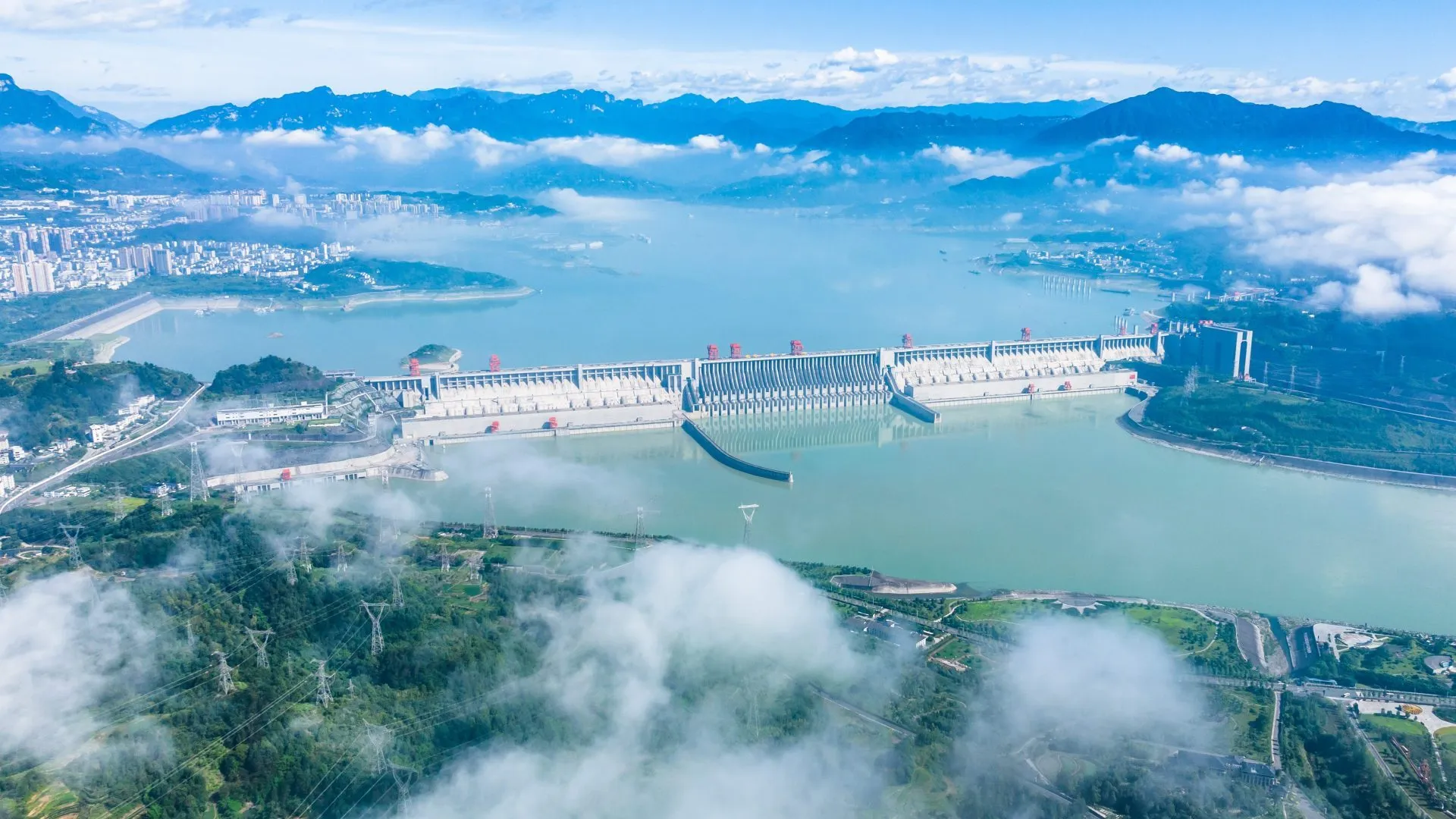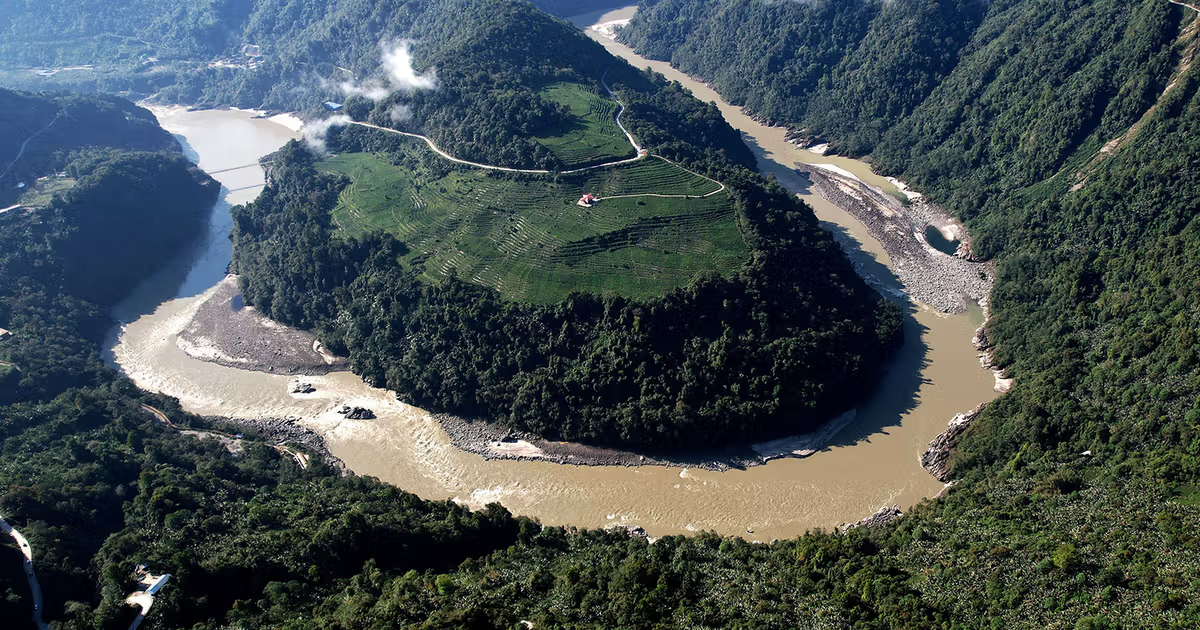
China has begun building the largest hydroelectric dam globally on the Yarlung Zangbo River in Tibet, according to Premier Li Qiang. This ambitious project aims for an annual energy output of 300 billion kilowatt-hours (kWh), which surpasses Britain’s total power consumption projected for 2024 and is nearly three times the capacity of the Three Gorges Dam, currently the world’s largest.
The $167 billion project is expected to invigorate China’s economy, particularly aiding sectors like cement and steel production that have struggled amid a real estate downturn. Analysts from Citigroup estimate this megaproject could contribute an additional 0.1% to China’s GDP growth annually for the next decade.
However, there are significant concerns regarding the environmental and social impacts of the dam. Non-governmental organizations (NGOs) warn that the construction could disrupt local ecosystems and lead to the displacement of Tibetan communities.
Additionally, neighboring countries India and Bangladesh have expressed worries that the dam may reduce water flow to regions downstream, potentially affecting their water supplies.
In the context of renewable energy, BloombergNEF highlights that other alternatives like wind and solar power are generally more cost-effective, with wind energy priced four times lower and solar six times lower per megawatt than hydropower.
As part of its renewable energy strategy, China is projected to account for nearly 60% of the world’s new clean energy capacity by 2030, according to the International Energy Agency.