Greece’s tourism sector is increasingly adopting sustainable practices, as hotels invest in green technologies and energy-efficient solutions to minimize their environmental footprint. A growing number of accommodations are implementing initiatives that not only aim to protect Greece’s natural beauty but also to attract environmentally conscious travelers.
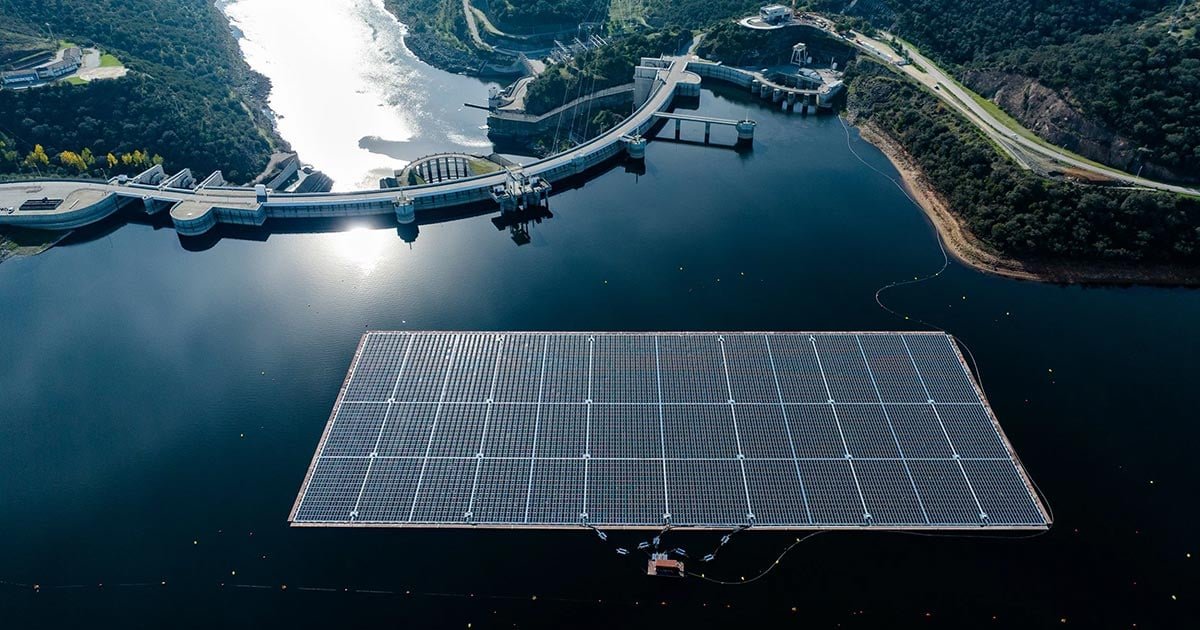
Many hotels are integrating solar panels to generate their own electricity, contributing to a significant reduction in reliance on fossil fuels. For example, a hotel in Crete has reported a 30% decrease in energy costs after installing solar photovoltaic systems, which also supply power for heating water. This shift not only supports the hotel’s operational needs but also aligns with Greece’s broader goal of increasing the share of renewable energy in its energy mix.
Additionally, hotels are adopting water conservation measures. A resort in Santorini has introduced a greywater recycling system, allowing it to reuse water for irrigation and significantly cut down on water waste. This system is expected to save approximately 50,000 liters of water annually, highlighting the effectiveness of innovative technologies in resource management.
The trend towards sustainability is also reflected in the choice of building materials. Many hotels are opting for local, eco-friendly materials that reduce transportation emissions and support local economies. For instance, a newly built hotel on the Peloponnese coast uses locally sourced stone and wood, which decreases its carbon footprint and enhances the aesthetic appeal of the structure.
Moreover, hotels are investing in energy-efficient appliances and smart technology to better manage energy consumption. By upgrading to LED lighting and energy-efficient HVAC systems, several establishments have reported energy savings of up to 40%. Smart thermostats and energy management systems allow hotels to optimize their energy use based on occupancy levels, further reducing waste.
The push for sustainable tourism has prompted hotels to engage in partnerships with local communities and environmental organizations. Many are participating in reforestation projects and beach clean-up events, fostering a sense of responsibility towards the environment and helping to preserve Greece’s natural landscapes.
As tourists increasingly prioritize sustainability, hotels that adopt these practices not only contribute to environmental conservation but also enhance their market appeal. Research indicates that travelers are willing to pay up to 15% more for environmentally friendly accommodations. This trend underscores the economic viability of sustainability in the hospitality industry, encouraging more hotels to invest in green solutions.
In summary, Greece’s hotels are making significant strides towards sustainability through investments in renewable energy technologies, resource conservation, and environmentally responsible practices. This movement not only protects Greece’s natural heritage but also positions the country as a leader in sustainable tourism, appealing to a growing segment of eco-aware travelers.