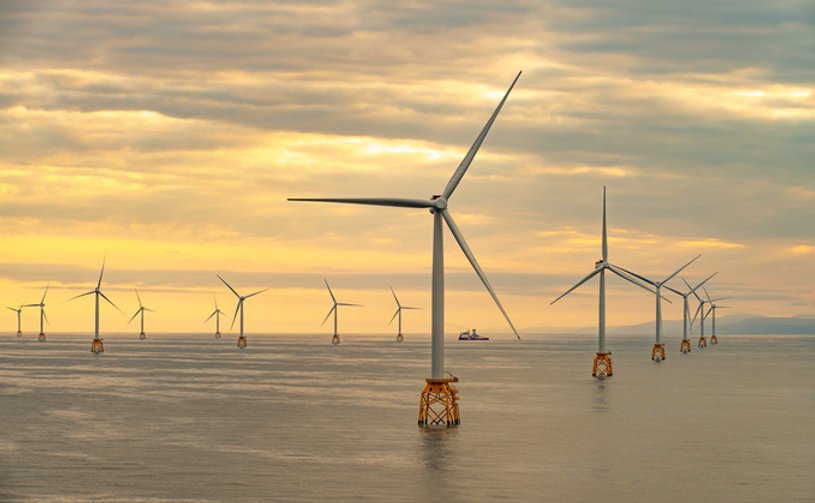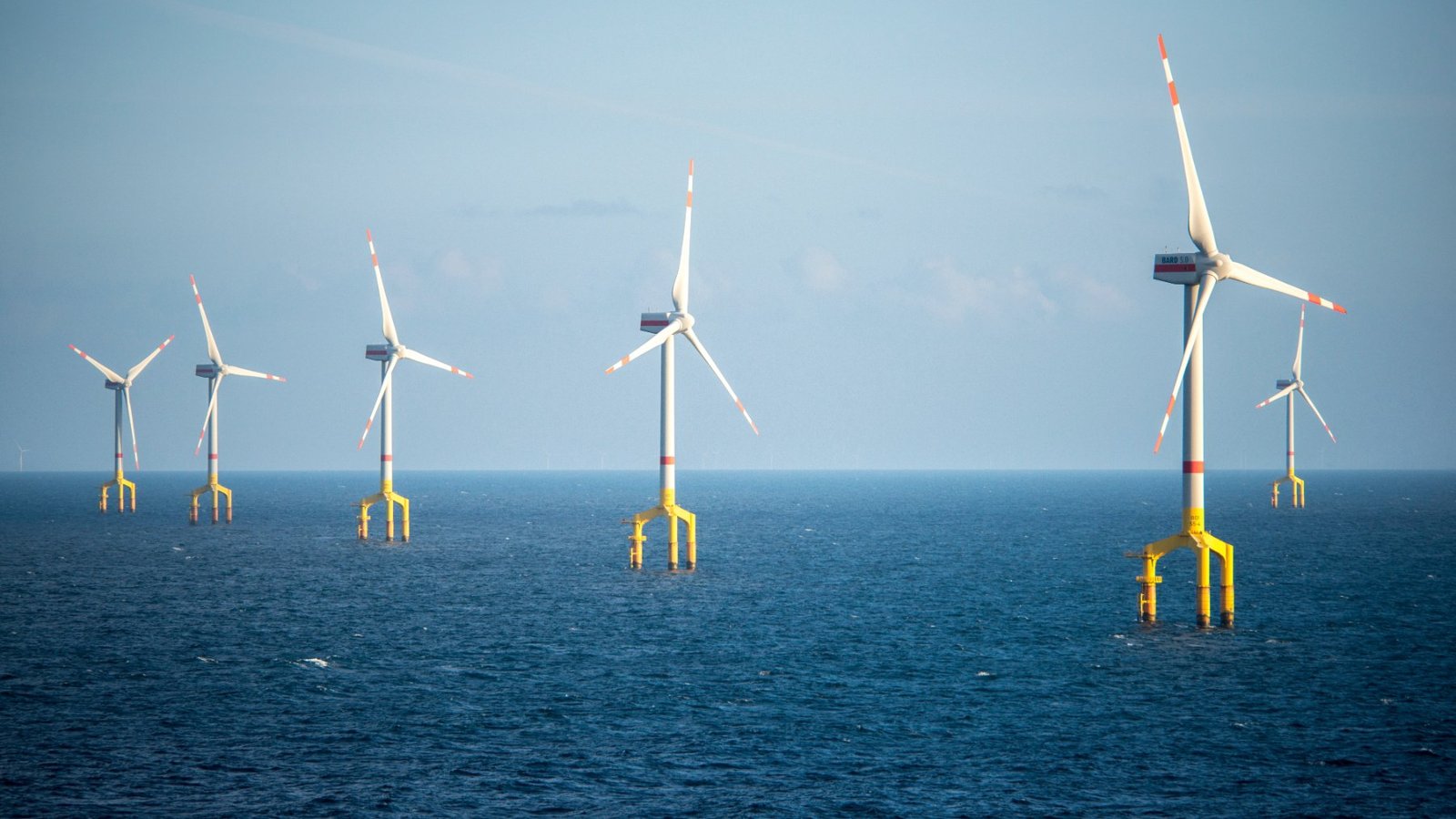
The North Sea is being dubbed Europe’s next major energy hub, not for oil, but for its potential to produce green hydrogen from wind energy. In a collaborative effort, Brussels and nine coastal nations have committed to generating 300 gigawatts (GW) of offshore wind power by 2050. This ambitious target is ten times the current capacity and could supply enough hydrogen to replace 25% of Europe’s natural gas imports.
To harness this wind energy, electrolysers will be installed offshore, converting electricity into hydrogen. Analysts at DNV have conducted a cost comparison between transmitting raw electricity and hydrogen. They found that transporting hydrogen through pipelines for a 14 GW offshore wind farm would cost approximately €1.2 billion. In contrast, delivering the same amount of electricity via high-voltage cables would exceed €44 billion, not including the additional costs for converter stations.
This staggering difference has prompted developers to consider creating 'energy islands’ where turbines power electrolysers directly. Denmark has already initiated construction on the world’s first artificial energy island, intended to generate 3.5 GW of wind energy and house modular electrolysers. Belgium, the Netherlands, and Germany are planning similar projects, all interconnected by a unified North Sea hydrogen network. Each of these energy islands will serve multiple purposes: stabilizing the electrical grid, supplying hydrogen to industrial sectors like steel production, and supporting future shipping ventures.
If the interim goal of 120 GW is achieved by 2030 and a third of that capacity is allocated for electrolysis, the North Sea could produce around 7 million tonnes of hydrogen annually. This output would represent roughly 2% of the region’s primary energy demand. The cost of electrolyser technology has decreased by 60% since 2015, with forecasts estimating the price of hydrogen production at €3 to €4 per kilogram by 2030. This price could become competitive with grey hydrogen as carbon pricing in Europe exceeds €100 per tonne.
Despite the potential, there are challenges to address. Currently, only 2% of the planned electrolyser projects for 2030 are under construction, hindered by slow permitting processes and supply chain constraints. Offshore converters require rare-earth materials and semiconductors, which are in high demand from the automotive industry. Industry leaders have cautioned that Europe’s energy goals could falter unless permitting timelines are reduced from ten years to four and local manufacturing receives incentives to compete with Asian producers.
Opponents of hydrogen production argue for direct use of electricity through cables. However, hydrogen offers distinct advantages in energy storage, particularly during periods of low wind generation in winter. Unlike electricity, hydrogen can store energy for extended periods, making it suitable for heavy industry and long-distance transport when wind resources diminish.
The North Sea, once a site for carbon extraction, is poised for a new chapter as a producer of clean energy. While significant work remains in terms of permitting, infrastructure development, and creating a hydrogen distribution network across multiple countries, the framework is established, and the necessary components are already being developed. With a steady wind supply and clear targets, the North Sea is set to lead Europe’s transition to sustainable energy.