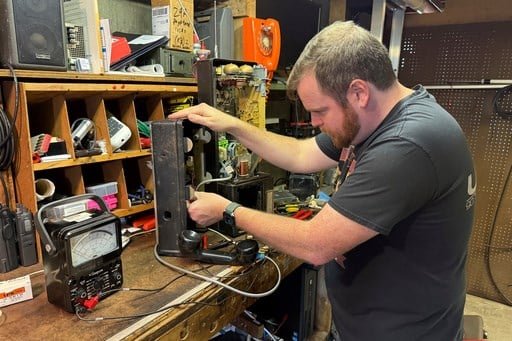
In rural Vermont, Patrick Schlott, an electrical engineer, is restoring old pay phones to provide free calling options in areas lacking reliable cell service. After moving to Tunbridge, Schlott noted significant gaps in cell coverage, prompting him to explore how refurbished pay phones could serve the community.
Working for electric airplane manufacturer BETA Technologies, Schlott approached local general store owners Mike and Lois Gross to install a pay phone outside their store. The Grosses agreed, intrigued by the prospect of offering a cost-free communication tool for locals. Store owner Mike Gross remarked on the community’s surprise at the phone’s functionality and the positive impact it has had, particularly for individuals stranded without cell service.
The first phone installation proved successful, and local demand led to additional placements at the Latham Library in Thetford and an informational booth in Randolph, both of which were initiated by community requests. Schlott sources old pay phones from flea markets and online auctions, investing between $100 to $500 per unit. He refurbishes these phones in his basement workshop, connecting them to an internet-based phone line that operates without the need for coins. Each installed phone incurs a monthly operational cost of approximately $2 to $3, with call charges under $5. Schlott maintains the role of operator for each phone, assisting users as needed. If someone dials zero, they reach Schlott’s personal cellphone, which he keeps private through an app.
The pay phone at the Latham Library has recorded 370 calls within five months of installation, highlighting its importance for students without cellphones needing to arrange after-school pickups. Regular patrons like Hannah McClain appreciate the security the phone provides for her teenage daughters, knowing they have access to a reliable communication method in emergencies.
Interest in the project is growing, with plans for another installation at the Brownell Library in Essex. While Schlott currently covers all costs, he acknowledges the need for a sustainable model as demand increases. He emphasizes the nostalgic appeal of these pay phones, noting their functionality and potential to serve the community rather than ending up in landfills. Through this initiative, Schlott successfully combines technology, community service, and a touch of nostalgia, revitalizing an outdated communication method for modern needs.